 English

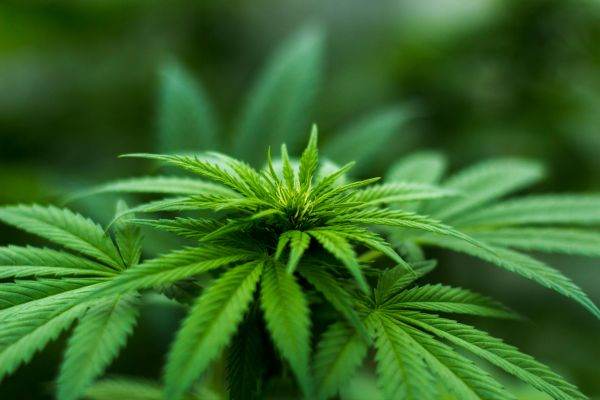
Cannabis-based medications have limited effectiveness in treating most mental health disorders, according to a comprehensive analysis published in the prestigious journal The Lancet and cited by Reuters. The conclusion comes amid a growing use of medical cannabis, including in countries such as the United States, Canada, and Australia, where patients frequently use it for anxiety, sleep disorders, or post-traumatic stress disorder (PTSD).
The research, led by Jack Wilson of the University of Sydney, analyzed 54 clinical studies conducted between 1980 and May 2025, involving 2,477 participants. The aim was to evaluate cannabinoids as a primary treatment for mental disorders and substance use disorders.
• No clear benefits for common conditions
The results indicate a lack of significant benefits for several conditions often cited in favor of medical cannabis: anxiety, psychotic disorders, PTSD, and opioid dependence. "When we look at the evidence as a whole, we simply do not see sufficient support for the routine use of these medications,” said Jack Wilson.
• Major gaps in research
An important aspect highlighted by the study is the complete absence of randomized clinical trials on the treatment of depression with cannabinoids - a major gap, given that depression is one of the most widespread mental health conditions.
Although the overall conclusions are cautious, the analysis points to limited potential benefits in certain situations: combinations of cannabidiol (CBD) and tetrahydrocannabinol (THC) may reduce withdrawal symptoms in cannabis users, reduce tics in Tourette syndrome, bring some improvements in autism spectrum disorders, and increase sleep duration in patients with insomnia. However, researchers emphasize that the quality of evidence for these effects is low.
• Need for more robust studies
The authors warn that the expansion of medical cannabis use is not matched by sufficient solid scientific evidence. They recommend larger clinical trials, more representative samples, and rigorous long-term assessments. "It is clear that more research is needed, especially for conditions where therapeutic options are limited,” Jack Wilson concluded.
The study's findings highlight a gap between the growing popularity of medical cannabis and the available scientific evidence, suggesting that its use in psychiatry should be approached with caution, at least until more conclusive data emerges.
























 Euro
Euro Dolar SUA
 Franc elveţian
 Liră sterlină
 Gram de aur























Reader's Opinion